Future of AI: What to Expect by 2030
Published: 26 Dec 2025
Artificial Intelligence (AI) is growing faster than anyone expected. It’s changing how we live, work, and think. The Future of AI looks powerful, promising, and a little unpredictable. By 2030, AI will deeply connect with every industry, from healthcare and education to business, creativity, and everyday life.
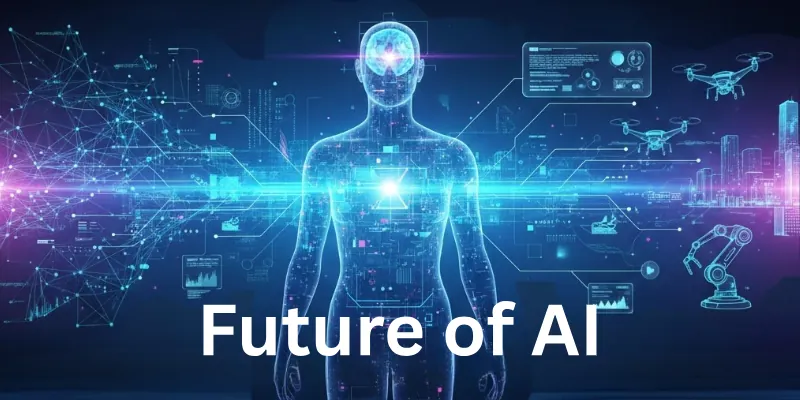
Let’s look at what experts, researchers, and real statistics say about what’s coming next.
Global Growth of Artificial Intelligence
AI is no longer a niche field. It’s a worldwide movement leading the next big wave of innovation.
- The global AI market will reach $1.8 trillion by 2030, growing at a rate of 36% per year.
- According to PwC, AI will add $15.7 trillion to the global economy by 2030.
- Around 70% of businesses will use AI in some form within the next five years.
The Future of AI means technology won’t just assist us, it will actively make decisions, solve problems, and shape strategies. Companies that fail to adapt will fall behind.
AI in Daily Life
AI already plays a role in your daily routine, even if you don’t notice it. By 2030, it will be everywhere, in your home, car, phone, and workplace.
- Smart homes will automatically adjust lights, temperature, and energy use based on your habits.
- Personal assistants will plan your entire day, from scheduling tasks to grocery shopping.
- AI algorithms will predict your needs and offer solutions before you even ask.
This everyday integration shows the impact of AI, it’s not about machines replacing people, but about making daily life smoother and smarter.
Future of Work and AI Jobs
AI will change the way the world works. Some jobs will disappear, but many new ones will emerge.
- The World Economic Forum predicts that AI will replace 85 million jobs but create 97 million new roles by 2030.
- AI automation will take over repetitive and rule-based tasks.
- Jobs in data science, AI development, robotics, and machine learning will grow rapidly.
The AI future trends show that humans will focus on creativity, emotional intelligence, and decision-making, areas machines can’t master yet. The goal is not to compete with AI but to collaborate with it.
AI in Healthcare
AI is already saving lives, and its future impact on healthcare will be huge. By 2030, AI in healthcare will make diagnosis faster and treatments more accurate.
- AI-powered imaging tools can detect cancer and heart diseases with more than 90% accuracy.
- Virtual assistants will guide patients and monitor their symptoms in real time.
- AI systems will analyze millions of medical records to recommend the best treatment plans.
This technology will lower medical costs, prevent errors, and give doctors more time to care for patients. The future of AI in healthcare is about precision and accessibility.
AI in Education
Education will transform completely under AI’s influence. Learning will become more personal, flexible, and effective.
- AI-powered platforms will track each student’s progress and adjust lessons automatically.
- AI tutors will provide instant feedback and explain topics in different ways for better understanding.
- Schools will use data-driven insights to identify students’ strengths and weaknesses.
This will make learning faster and more engaging. The impact of AI on education will help millions gain access to quality learning, regardless of location or background.
AI in Transportation
AI is also reshaping how we move and travel. By 2030, AI in transportation will make travel safer, quicker, and more efficient.
- Over 50% of new vehicles will include self-driving features or AI-assisted systems.
- AI traffic systems will reduce congestion by up to 30% in smart cities.
- Airlines and delivery companies will use AI to predict delays, manage fuel, and optimize routes.
The future of AI in transport promises fewer accidents, faster logistics, and cleaner energy use.
AI and the Environment
AI can help fix some of the world’s biggest problems, especially those related to climate change.
- AI climate models can predict floods, droughts, and natural disasters with higher accuracy.
- Smart energy grids will balance electricity use in real time and cut energy waste.
- AI farming tools will reduce fertilizer and water usage by up to 25%.
With such solutions, the impact of AI on sustainability could save billions in environmental losses every year.
Ethical AI and Responsible Innovation
As AI grows smarter, ethical issues will become more serious. The future of AI will depend on how responsibly we design and use it.
- Explainable AI will become standard, systems that show how they make decisions.
- AI regulations will focus on privacy, transparency, and accountability.
- AI developers will create tools that are unbiased and fair for all users.
Experts believe the next big challenge is not AI’s power but its control. Humanity must ensure that AI decisions align with human values.
AI and Creativity
AI is no longer limited to logic, it’s becoming creative.
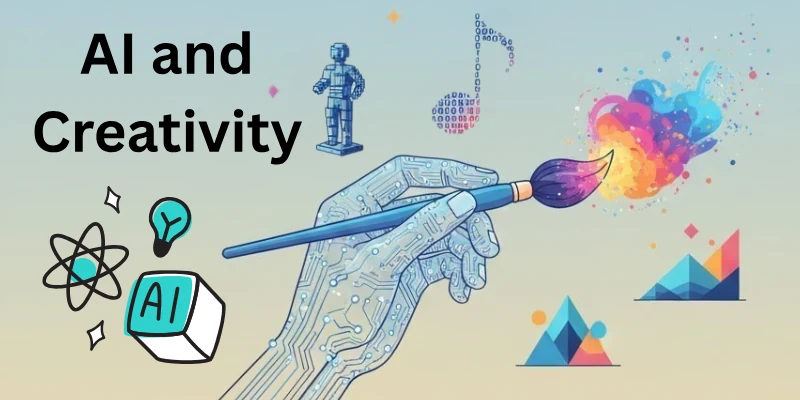
By 2030, AI in creativity will become a major part of art, design, music, and storytelling.
- AI tools will help artists design visuals and compose music.
- Writers will use AI to brainstorm stories or edit drafts faster.
- Businesses will use AI-generated content for marketing and ads.
But creativity will remain human at its core, AI will be the helper, not the artist.
Global Predictions for AI by 2030
Here’s what research says about where AI is heading:
- 90% of online content may be AI-generated by 2030.
- 75% of customer interactions will be handled by AI chatbots.
- AI adoption in companies will rise to 70% globally.
- The AI software market alone will reach over $900 billion.
These stats show the unstoppable rise of smart technology, proof that the Future of AI is shaping every corner of modern life.
Key Challenges Ahead
The road ahead isn’t all smooth. AI will face several challenges:
- Data privacy issues may rise as systems collect more personal data.
- Bias in AI algorithms can lead to unfair results.
- Job displacement could impact millions who aren’t ready for change.
- Energy demand from data centers could double by 2030.
Solving these problems early will decide how positive the impact of AI becomes in the long run.
Final Thoughts: The Human + AI Future
By 2030, AI will not replace humans, it will empower them. Machines will handle calculations and automation, but humans will provide creativity, emotion, and purpose.
The Future of AI isn’t just about technology, it’s about partnership. When humans and AI work together, innovation becomes limitless. The next decade will show how intelligence, both natural and artificial, can make the world smarter, fairer, and more connected.
FAQs: Role of AI in Future
Here are some of the most commonly asked questions related to the future of artificial intelligence:
The Future of AI looks powerful and limitless. AI will automate most routine tasks and improve industries like healthcare, education, and business. By 2030, AI could add over $15 trillion to the global economy. It will make life easier, but humans must guide its growth responsibly.
AI will replace some jobs but create even more new ones. It will handle repetitive tasks, while humans will focus on creativity, emotional intelligence, and decision-making. The future of work with AI means collaboration, not competition. People who learn AI skills will have the biggest advantage.
AI will personalize learning for every student. AI in education will track progress, give instant feedback, and adapt lessons to fit each learner’s style. Students will learn faster and smarter with AI tutors. This will make education more accessible worldwide.
AI itself is not dangerous, but how we use it matters. If it’s programmed unfairly or misused, it can cause bias or privacy issues. That’s why ethical AI and strong rules are important. When managed responsibly, AI helps humans, not harms them.
The impact of AI on the economy will be massive. It will increase productivity, reduce costs, and open new business opportunities. By 2030, AI-driven companies will dominate major industries. However, workers must adapt to new technologies to stay relevant.
The top AI future trends include automation, generative AI tools, robotics, and AI in medicine. Smart assistants and self-driving cars will also become normal. AI will continue to merge with the Internet of Things (IoT) and cloud computing. These innovations will shape daily life in the next decade.
Yes, AI for climate change is one of the most promising uses. AI models can predict weather patterns, reduce energy waste, and improve farming efficiency. Smart systems will help manage natural resources better. This technology will make the planet safer and more sustainable.
AI in healthcare will help doctors detect diseases early and choose the best treatments. AI can analyze scans, patient records, and test results faster than humans. Virtual assistants will monitor patients 24/7. The result will be faster recovery and better medical accuracy.
No, AI will not fully replace humans. Machines can think fast but lack creativity, emotions, and moral judgment. The future of AI and humans is about teamwork, not domination. Together, they can achieve more than either alone.
The biggest AI challenges are data privacy, bias, energy use, and job shifts. AI also needs strong ethical control and global regulations. Developers must make AI systems fair and transparent. Overcoming these issues will decide how positive the future of AI becomes.
Businesses use AI technology to improve speed, accuracy, and decision-making. AI tools can predict trends, handle customer support, and automate reports. This saves time and money while improving customer satisfaction. That’s why most global companies are already investing in AI systems.
Learning AI skills is the best way to prepare. Focus on technology, data analysis, and creative problem-solving. Stay updated with AI trends and tools used in your field. The more you understand AI, the better you can grow with it, not against it.


- Be Respectful
- Stay Relevant
- Stay Positive
- True Feedback
- Encourage Discussion
- Avoid Spamming
- No Fake News
- Don't Copy-Paste
- No Personal Attacks
- Be Respectful
- Stay Relevant
- Stay Positive
- True Feedback
- Encourage Discussion
- Avoid Spamming
- No Fake News
- Don't Copy-Paste
- No Personal Attacks
