How to Use AI to Improve Content Quality – Step by Step
Published: 17 Apr 2026
Creating high-quality content is crucial for engagement, website traffic, and conversions. But writing perfect content takes time, effort, and constant revisions. AI tools can help improve grammar, readability, style, and overall quality without replacing your creative touch.
In this guide, you will learn how to use AI to improve content quality step by step. By the end, you will know how to produce content that is clear, engaging, and effective for your audience.
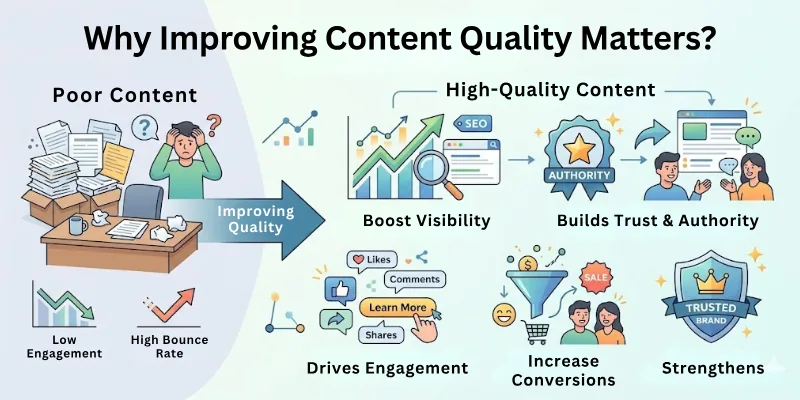
Why Improving Content Quality Matters
High-quality content attracts readers and keeps them engaged.
- Well-written content builds trust and authority.
- Clean, readable, and informative content improves SEO performance.
- AI tools can help identify weak areas and suggest improvements quickly.
Improving content ensures better engagement, higher conversions, and stronger audience retention.
Steps on How to Use AI to Improve Content Quality
Here’s a quick overview of the main steps:
- Analyze Existing Content Quality
- Check Grammar, Spelling, and Punctuation
- Improve Readability and Structure
- Optimize for SEO and Keywords
- Enhance Engagement with Style and Tone
- Avoid Plagiarism
- Add Relevant Data, Examples, or Visuals
- Test Content Performance
- Refine and Update Regularly
- Automate Repetitive Content Improvements
Let us cover all these steps in detail.
Step 1: Analyze Existing Content Quality
Before improving, evaluate your content’s current state.
- Identify content gaps or areas with unclear messaging.
- Assess engagement metrics like time on page, bounce rate, and shares.
- Determine sections that need simplification or better examples.
Analysis helps focus AI improvements where they matter most.
Step 2: Check Grammar, Spelling, and Punctuation
Errors reduce content credibility.
- Use AI grammar and spelling tools like Grammarly or ProWritingAid.
- Correct sentence structure and punctuation automatically.
- Ensure consistency in language style and tone throughout the content.
This ensures content reads professionally and is error-free.
Step 3: Improve Readability and Structure
Content must be easy to read and scan.
- Break long paragraphs into shorter ones.
- Add headings, subheadings, and bullet points.
- Use AI readability scores to measure clarity and adjust content accordingly.
Readable content keeps the audience engaged and reduces bounce rates.
Step 4: Optimize for SEO and Keywords
High-quality content also ranks well on search engines.
- Use AI tools to identify primary and secondary keywords.
- Ensure keywords are naturally included in titles, headings, and body text.
- Check for proper meta descriptions, alt text, and URL optimization.
SEO optimization increases organic traffic and visibility.
Step 5: Enhance Engagement with Style and Tone
Content should connect with the audience emotionally and logically.
- AI can suggest better phrasing, transitions, and tone adjustments.
- Tailor style to your audience, whether professional, casual, or persuasive.
- Use active voice and concise sentences for clarity.
Engaging content encourages sharing and repeat visits.
Step 6: Avoid Plagiarism
Original content builds credibility.
- Use AI plagiarism checkers to ensure your content is unique.
- Rewrite or paraphrase sections flagged as similar to other sources.
- Cite references where necessary to maintain trustworthiness.
Unique content enhances authority and protects your website.
Step 7: Add Relevant Data, Examples, or Visuals
Enriched content improves understanding.
- Include statistics, case studies, or examples to support claims.
- Add images, charts, or infographics for visual appeal.
- AI can suggest relevant visuals or data points to complement your text.
This makes content more informative, credible, and engaging.
Step 8: Test Content Performance
Check how your content performs with your audience.
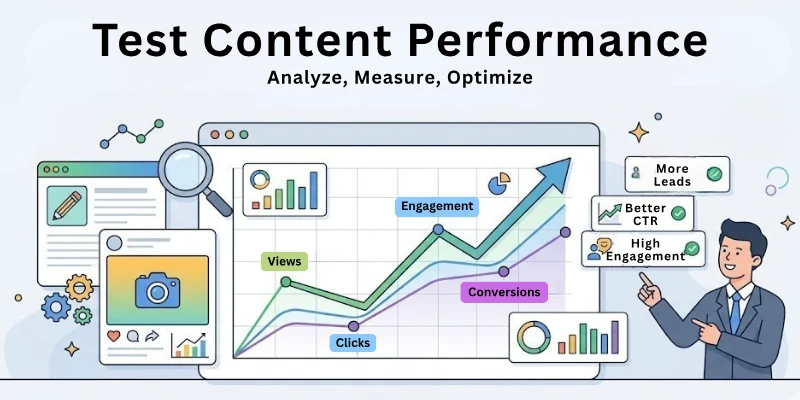
- Monitor metrics like page views, shares, comments, and conversions.
- Identify areas where users lose interest or stop reading.
- Use AI insights to suggest improvements based on engagement data.
Testing ensures that improvements are effective and data-driven.
Step 9: Refine and Update Regularly
Content improvement is an ongoing process.
- Refresh outdated information and examples.
- Adjust style, keywords, and headings based on trends and feedback.
- Use AI to track evolving SEO strategies and content quality.
Continuous refinement keeps your content relevant and competitive.
Step 10: Automate Repetitive Content Improvements
Save time by automating repetitive tasks.
- Schedule grammar and readability checks for new content.
- Use AI to suggest keyword optimization during writing.
- Automate plagiarism scans and style adjustments.
Automation ensures consistent quality across all content without manual effort.
Top 10 AI Tools to Improve Content Quality
Here are some of the best AI-powered tools:
- Grammarly → Grammar, spelling, and style suggestions
- ProWritingAid → Readability, structure, and style improvements
- Hemingway Editor → Simplifies text and improves clarity
- SurferSEO → Optimizes content for SEO and keywords
- Writer.com → Tone and style optimization for teams
- Jasper AI → Content rewriting and enhancement suggestions
- Copyscape → Plagiarism detection
- Frase → Content analysis and topic optimization
- ClearScope → SEO content grading and keyword suggestions
- Canva + AI → Visual enhancement for content
Common Mistakes to Avoid
Here are some of the major mistakes to avoid:
- Writing without checking grammar or readability
- Overstuffing keywords for SEO
- Ignoring plagiarism checks
- Skipping visuals or examples
- Not testing content performance
- Avoiding continuous updates and refinements
Following best practices ensures your content is professional, engaging, and high-quality.
Final Note
In this guide, we have covered how to use AI to improve content quality in great detail. You now know how to analyze, optimize, and enhance your content step by step using AI tools.
Remember, the best content is clear, engaging, and consistent. Combine your creativity with AI suggestions, monitor performance, and update regularly to deliver value to your audience.
Good luck and enjoy creating outstanding content! 🌟
FAQs: How to Use AI to Improve Content Quality
Here are some of the most commonly asked questions related to the how to use AI tools to improve your content quality:
Improving content quality with AI means using tools to check grammar, readability, tone, and engagement. AI can suggest better phrasing and structure for clarity. This ensures content is professional, accurate, and appealing to readers.
You can use AI writing assistants like Grammarly or Jasper to suggest corrections and enhancements. They identify errors, optimize structure, and improve readability. This speeds up the content creation process while maintaining high standards.
Popular tools include Grammarly, ProWritingAid, Hemingway Editor, SurferSEO, and Frase. Each tool focuses on different aspects like grammar, style, readability, or SEO optimization. Using multiple tools together ensures content is polished and effective.
Yes, AI can suggest better word choices, sentence structure, and tone to keep readers interested. It can highlight dull sentences and recommend lively alternatives. Engaging content improves reader retention and interaction.
AI tools like SurferSEO and ClearScope analyze content for keyword usage and ranking potential. They suggest where to place primary and secondary keywords naturally. This helps your content appear higher in search results.
Yes, AI-powered plagiarism checkers like Copyscape detect copied text accurately. They compare your content with millions of sources online. This ensures your content is original and trustworthy.
Yes, AI tools recommend headings, subheadings, and bullet points for readability. They ensure paragraphs are concise and easy to scan. Proper structure makes your content more professional and user-friendly.
After AI provides recommendations, review each change to ensure it matches your style and intent. Adjust tone, examples, or wording manually if needed. Combining AI suggestions with human judgment produces the best results.
Yes, AI tools like Writer.com analyze tone and style across documents. They suggest adjustments to match your brand voice consistently. This creates a uniform reading experience for your audience.
Use AI during content creation and editing phases, and periodically for updates. Regular checks ensure grammar, readability, and SEO are always optimized. Consistent improvement keeps your content high-quality and competitive.






- Be Respectful
- Stay Relevant
- Stay Positive
- True Feedback
- Encourage Discussion
- Avoid Spamming
- No Fake News
- Don't Copy-Paste
- No Personal Attacks
- Be Respectful
- Stay Relevant
- Stay Positive
- True Feedback
- Encourage Discussion
- Avoid Spamming
- No Fake News
- Don't Copy-Paste
- No Personal Attacks
