How to Improve Writing with AI – Start Writing Better Now
Published: 7 Aug 2026
Recent studies show that professionals spend a large part of their workday writing emails, reports, articles, and messages. Strong writing skills help people communicate clearly, build trust, and create better opportunities. Today, many writers use modern tools to improve grammar, readability, and sentence flow in less time.
However, better writing does not come from corrections alone. It comes from learning how to organize ideas, choose the right words, and match the right tone for the audience. Understanding how to improve writing with AI can help you strengthen these skills and create more polished content.
In this article, we will discuss how to improve writing with AI in detail and explain practical methods that deliver better results.
We will also explore useful tips, common mistakes, and simple techniques that can make your writing clearer and more effective.
What Does It Mean to Improve Writing with AI?
Improving writing with AI means using writing tools to make your content clearer, more accurate, and easier to read. These tools help writers refine their work while keeping their original ideas and message intact.
Definition of AI-assisted writing improvement: AI-assisted writing improvement is the process of using digital writing tools to enhance grammar, clarity, readability, tone, and sentence structure.
Difference between writing with AI and improving writing with AI
By recognizing the differences between these approaches, you can use writing tools more effectively and achieve higher-quality results.
- Writing with AI: Using AI to generate content or create a draft from scratch.
- Improving writing with AI: Using AI to edit, refine, and strengthen content that you have already written.
How AI Helps Improve Writing
Writing tools can do much more than fix spelling mistakes. They help writers create clearer, more engaging, and better-structured content by identifying areas that need improvement and offering useful suggestions.
Below are some of the main ways AI helps improve writing quality and readability.
- Grammar Correction: Identifies grammar, spelling, and punctuation mistakes to make writing more accurate.
- Readability Analysis: Measures how easy your content is to read and suggests ways to improve clarity.
- Tone Detection: Analyzes the writing style and helps match the tone to your audience and purpose.
- Sentence Rewriting: Suggests alternative sentence structures to improve flow and readability.
- Structure Suggestions: Helps organize ideas and paragraphs in a more logical and engaging order.
How to Improve Writing with AI Step by Step
Improving your writing with AI is not only about fixing mistakes. The best results come when you follow a clear process and use the right tools at the right time. A structured approach helps you improve clarity, readability, tone, and overall writing quality.
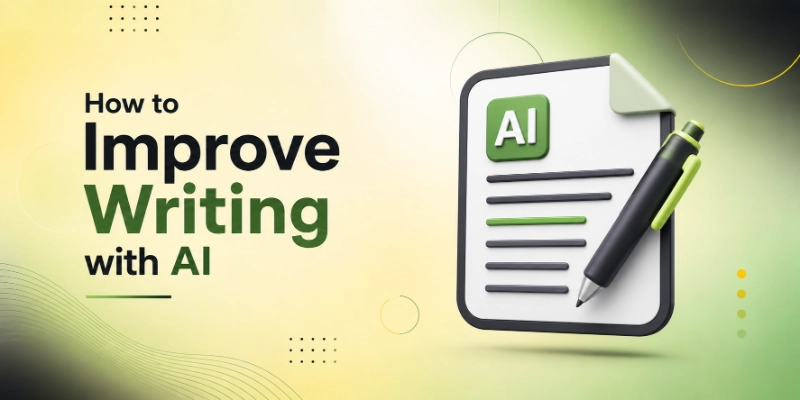
Below are the essential steps that can help you use writing tools more effectively and produce stronger content.
Step 1: Choose the Right AI Writing Tool
The first step to improving your writing with AI is choosing a tool that aligns with your specific needs. Since each tool is designed for different tasks, selecting the right one can help you work more efficiently and achieve better results.
- ChatGPT: Best for rewriting content, improving clarity, generating ideas, and refining long-form writing.
- Grammarly: Best for grammar correction, spelling checks, punctuation fixes, and writing suggestions.
- Claude: Best for reviewing long documents, improving readability, and maintaining context across large pieces of content.
- Gemini: Best for research-based writing, summarizing information, and improving factual content.
- Hemingway Editor: Best for simplifying complex sentences and improving readability scores.
Quick Tip: Select a tool based on whether you need grammar help, editing support, or long-form writing assistance.
Step 2: Start with Your Own Draft
Before using writing tools, create your first draft using your own ideas and thoughts. This helps maintain originality and ensures your content reflects your knowledge, experience, and perspective. Writing tools work best when they improve existing content rather than create everything from the beginning.
- Write your ideas first: Start by putting your thoughts on paper before asking for suggestions or improvements.
- Avoid asking AI to create everything: Depending completely on generated content can make your writing feel generic and less personal.
- Preserve your personal voice: Keep your unique writing style and personality so your content feels authentic and natural to readers.
Pro Tip: AI improves writing more effectively when it edits your ideas instead of replacing them.
Step 3: Check Grammar and Spelling
Once you have your draft ready, review it for grammar and spelling mistakes. Small errors can affect readability and make your writing appear less professional. Writing tools can quickly identify issues and suggest corrections to improve quality.
- Identify mistakes: Look for grammar errors, spelling issues, and incorrect word usage.
- Fix punctuation: Correct commas, periods, quotation marks, and other punctuation errors to improve readability.
- Improve sentence flow: Adjust awkward or repetitive sentences to create smoother and more natural writing.
Real-Life Example: Reviewing and correcting an email before sending it to a client can improve professionalism and prevent misunderstandings.
Step 4: Improve Clarity and Readability
Clear writing helps readers understand your message quickly and keeps them engaged. Even strong ideas can lose impact if the writing feels complicated or difficult to follow. Improving readability makes your content more effective for a wider audience.
- Shorten long sentences: Break lengthy sentences into shorter ones to make the content easier to read.
- Remove unnecessary words: Delete extra words and phrases that do not add value to the message.
- Simplify complex ideas: Use simple language and clear explanations to improve understanding.
Fun Fact: Readers often prefer shorter and clearer sentences because they are easier to understand and remember.
Step 5: Adjust Tone and Style
The same message can sound very different depending on the audience and purpose. Adjusting tone and style helps your writing connect with readers and makes your content more effective. Writing tools can suggest changes that match the context of your content.
- Formal tone: Suitable for official documents, reports, and business communication.
- Casual tone: Works well for blogs, social media posts, and conversational content.
- Professional tone: Ideal for emails, proposals, presentations, and workplace communication.
- Academic tone: Best for research papers, assignments, and educational content.
Quick Tip: Different audiences require different writing styles, so always choose a tone that matches your readers.
Step 6: Strengthen Vocabulary
Strong vocabulary makes writing clearer, more engaging, and easier to understand. The goal is not to use difficult words but to choose the most suitable words for your message. Better word choices improve quality while keeping the content natural and readable.
- Replace weak words: Swap vague or overused words with stronger and more meaningful alternatives.
- Avoid repetition: Use different words and phrases to prevent your writing from sounding repetitive.
- Use precise language: Select words that communicate your ideas clearly and accurately.
Pro Tip: Better vocabulary improves readability without making content difficult to understand.
Step 7: Improve Structure and Flow
Good writing is not only about strong sentences. It also depends on how well your ideas connect and move from one section to another. Improving structure and flow makes content easier to follow and keeps readers engaged from beginning to end.
- Organize ideas logically: Arrange your points in a clear order so readers can understand your message easily.
- Improve transitions: Use transition words and phrases to connect ideas and create a smooth reading experience.
- Create smoother paragraphs: Keep related information together and avoid sudden jumps between topics.
Real-Life Example: Reorganizing sections in a blog article can improve readability and encourage readers to stay on the page longer.
Step 8: Review AI Suggestions Carefully
Writing tools can provide helpful recommendations, but not every suggestion will fit your message or style. Reviewing each change carefully helps you maintain quality and ensures the final content still sounds like you.
- Accept useful edits: Keep suggestions that improve grammar, clarity, or readability.
- Reject unnecessary changes: Ignore edits that make the content sound unnatural or change the original meaning.
- Maintain originality: Preserve your ideas, experiences, and writing style to keep the content authentic.
Quick Tip: Not every suggestion improves your writing, so always review changes before accepting them.
Step 9: Check for Accuracy and Facts
Before publishing your content, make sure all information is correct and up to date. Writing tools can improve wording and structure, but they may not always provide accurate facts or figures. A final fact-check helps protect credibility and builds trust with readers.
- Verify statistics: Double-check numbers, percentages, dates, and research findings before using them.
- Confirm examples: Make sure examples are relevant, accurate, and support your main point.
- Review claims: Check statements and facts to ensure they are correct and supported by reliable sources.
Pro Tip: Always verify factual information before publishing content, especially in educational, business, or research-based writing.
Step 10: Finalize and Publish
The final stage is to review your content one last time before sharing it with readers. A careful final check helps you catch small mistakes and ensures your content looks polished and professional.
- Perform a final review: Read through the content to identify any remaining errors or improvements.
- Check formatting: Make sure headings, spacing, lists, and paragraphs follow a consistent format.
- Ensure consistency: Verify that tone, style, terminology, and formatting remain uniform throughout the content.
Fun Fact: Many professional writers review and edit their work multiple times before publishing to improve quality and readability.
Best AI Writing Tools
Writing tools have become more advanced in 2026, helping users improve grammar, readability, structure, and overall writing quality in less time. Different tools focus on different tasks, so choosing the right one depends on your writing goals and content type.
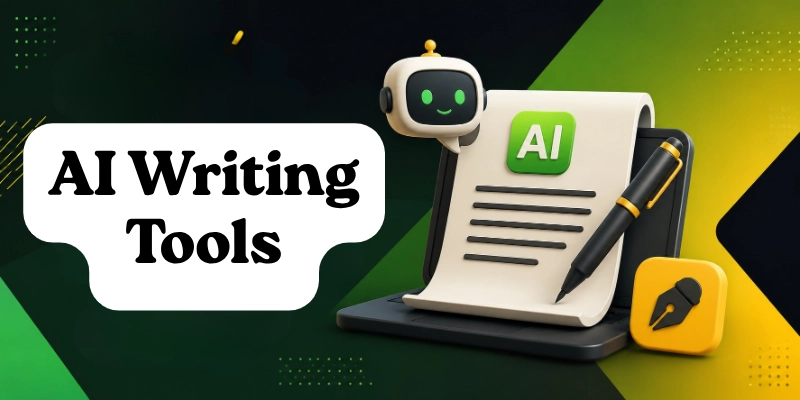
The tools below are among the most popular options for improving writing, editing content, and refining ideas more effectively.
You can explore these tools and compare their features to find the one that best matches your writing needs.
- ChatGPT
- Grammarly
- Claude
- Gemini
- Hemingway Editor
- ProWritingAid
Common Mistakes to Avoid When Using AI for Writing
Writing tools can improve content quality, but using them incorrectly can reduce accuracy and make your work feel less natural. Understanding these common mistakes can help you get better results and maintain your unique writing style.
You can also follow proven writing practices and review your content carefully to make the most of these tools.
Below are some common mistakes people make when using AI for writing and how they can affect content quality.
- Accepting every suggestion: Not all suggestions improve your content, so review each recommendation before applying it.
- Ignoring your writing style: Relying too much on automated changes can remove your personal voice and make content feel generic.
- Skipping fact-checking: Writing tools can improve wording, but they cannot guarantee that every fact or statistic is correct.
- Overusing complex vocabulary: Using difficult words unnecessarily can make content harder to read and understand.
- Publishing without human review: A final review helps catch mistakes and ensures the content sounds natural and accurate.
Who Should Use AI to Improve Writing?
Writing tools can help people from different professions and backgrounds create clearer, more polished, and more engaging content. Whether you write for work, study, or personal projects, these tools can save time and improve writing quality.
The groups below can benefit the most from using writing tools in their daily tasks and communication.
You can also explore different writing features and workflows to find the approach that best suits your needs.
- Students
- Bloggers
- Businesses
- Researchers
- Content Creators
- Freelancers
- Marketing Teams
Conclusion
In this guide, we have covered how to improve writing with AI. We explored the steps, tools, techniques, and best practices that can help you create clearer, stronger, and more effective content with less effort.
We also discussed common mistakes to avoid, useful writing tools, and future trends that are shaping the way people improve their writing today. By using these methods correctly, you can save time while maintaining quality and originality in your work.
My recommendation is to use writing tools as assistants rather than replacements for your ideas and creativity. The best results come when you combine technology with your own knowledge, experience, and writing style.
Thank you for taking the time to read this guide. I hope it helps you improve your writing skills and create content with more confidence.
💬 We would love to hear your thoughts and experiences on this topic. 😊 Share your feedback or questions in the comments below and join the conversation! 🚀
FAQs
Below are some frequently asked questions that help you understand how to improve writing with AI more effectively and get better results from writing tools.
Yes, writing tools can help you improve grammar, sentence structure, and readability through regular practice. They also help you identify common mistakes and weak areas in your writing. Over time, these improvements can strengthen your overall writing skills.
Different tools work better for different tasks and writing goals.
- ChatGPT works well for rewriting and content improvement.
- Grammarly focuses on grammar and spelling corrections.
- Hemingway Editor helps improve readability and sentence clarity.
The best approach is to use writing tools for editing and suggestions rather than content replacement. Keep your ideas, opinions, and experiences in the final version. This helps maintain authenticity while improving quality.
Students often need tools for assignments, essays, and research writing.
- Grammarly helps with grammar and citations.
- ChatGPT can improve clarity and structure.
- Hemingway Editor simplifies complex sentences.
Yes, writing tools can improve readability, grammar, and organization in academic content. They can also help simplify complex explanations and improve sentence flow. However, students should always verify facts and references manually.
Writing tools analyze sentence length, vocabulary, and paragraph structure.
- They identify difficult sentences.
- They suggest simpler alternatives.
- They help create clearer and easier-to-read content.
Yes, many professionals use writing tools to improve emails, proposals, and reports. These tools can adjust tone and make communication sound more professional. They also help reduce grammar and punctuation mistakes.
Using writing tools effectively requires careful review and editing.
- Avoid accepting every suggestion automatically.
- Do not ignore fact-checking.
- Always preserve your personal writing voice.
Many writing tools offer free plans with useful features for beginners. Premium versions usually provide advanced editing, readability analysis, and detailed writing suggestions. The best choice depends on your writing needs and budget.
Writing tools can save time and improve efficiency, but they cannot fully replace human creativity and judgment. Human writers understand emotions, context, and audience expectations better. The strongest results usually come from combining both approaches.





- Be Respectful
- Stay Relevant
- Stay Positive
- True Feedback
- Encourage Discussion
- Avoid Spamming
- No Fake News
- Don't Copy-Paste
- No Personal Attacks
- Be Respectful
- Stay Relevant
- Stay Positive
- True Feedback
- Encourage Discussion
- Avoid Spamming
- No Fake News
- Don't Copy-Paste
- No Personal Attacks
